When you’re shipping delicate items, the last thing you want is a soggy surprise at the destination. Choosing a packaging material that is waterproof isn’t just a luxury—it’s a necessity. In this guide, Helpful resources we’ll walk through the essential steps, from understanding why water resistance matters to evaluating cost and performance, all while sprinkling in a few lighthearted moments to keep the reading as smooth as a well‑sealed package.
Why Waterproof Packaging Matters
Water can be the silent saboteur of your product’s journey. Whether it’s rain, humidity, or accidental spills, moisture can compromise everything from electronics to fine art. A good waterproof package acts like a fortress, guarding against the elements and preserving the integrity of what’s inside.
- Protects product quality – keeps moisture out, preventing mold, corrosion, and spoilage. Reduces return rates – a dry, intact product means happier customers. Extends shelf life – especially crucial for food, pharmaceuticals, and sensitive electronics.
> “A well‑sealed package is the first line of defense against the unpredictable weather.” – Jane Doe, Packaging Engineer
Key Factors to Consider When Choosing Waterproof Materials
When the question “how to choose a packaging material that is waterproof” arises, the answer hinges on several core factors. Let’s break them down.
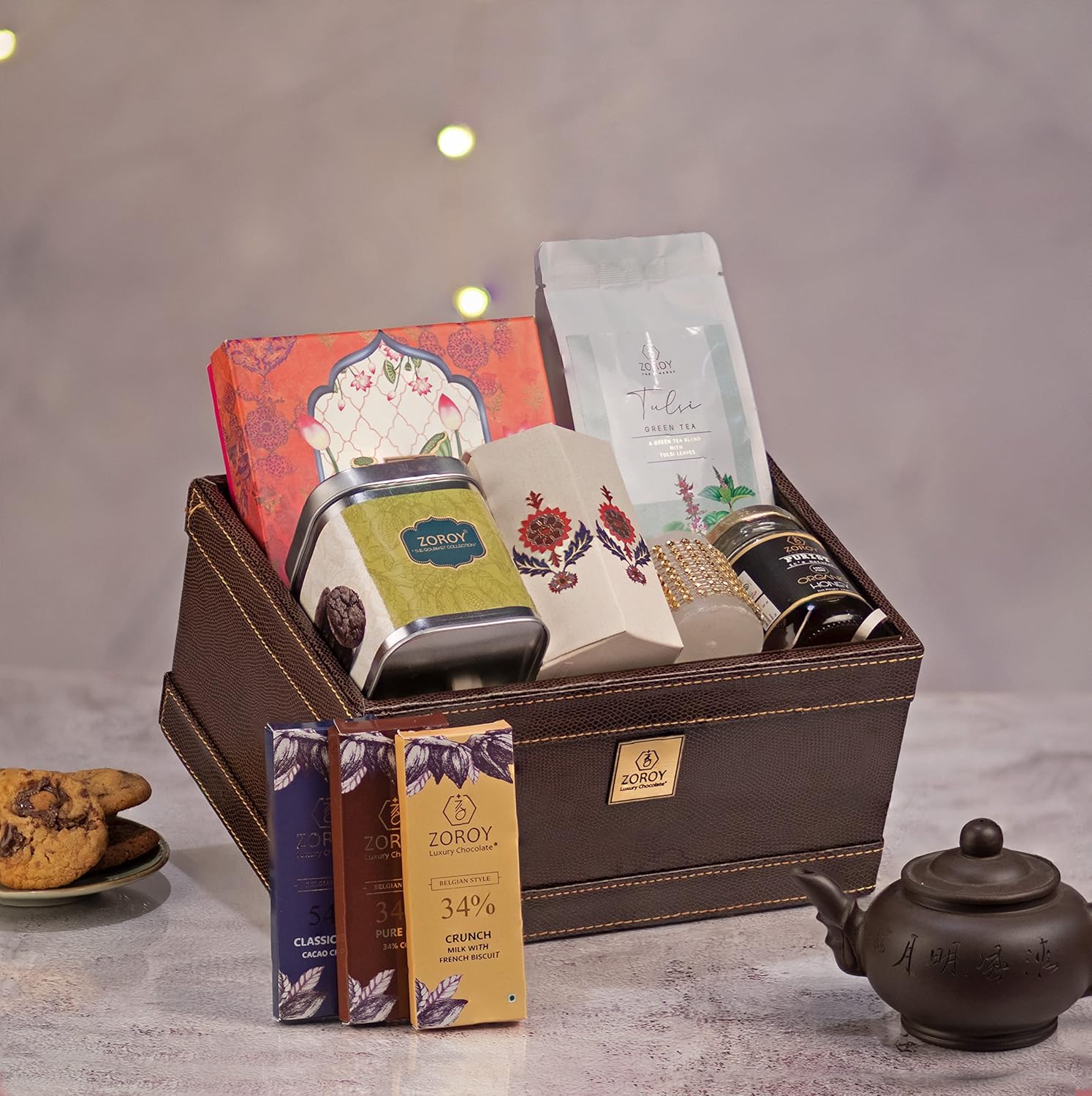
Material Composition
- Polyethylene (PE) – flexible, inexpensive, and water‑resistant. Ideal for bulk shipping. Polypropylene (PP) – stronger than PE, good for heavier items. PVC – excellent barrier properties but raises environmental concerns. Coated paper or kraft – affordable, but requires a reliable waterproof coating.
Thickness and Construction
- Single vs. double layers – double layers provide extra protection but add weight. Seam quality – welded seams are superior to glued ones in wet conditions. Edge sealing – a sealed edge can prevent water from seeping in through the top.
Environmental Impact
- Recyclability – many waterproof materials are recyclable if properly labeled. Biodegradability – options like biodegradable PE are gaining popularity. Carbon footprint – consider the manufacturing process and transportation distance.
Cost vs. Performance
- Budget constraints – cheaper materials may be adequate for low‑risk shipments. Risk tolerance – high‑value items justify a higher investment in waterproofing.
Regulatory Compliance
- Food‑grade standards – for consumables, the packaging must meet FDA or EU regulations. Hazardous material guidelines – certain chemicals require specific waterproof barriers.
Popular Waterproof Packaging Materials and Their Pros & Cons
Choosing the right material often boils down to comparing options side by side. Below is a quick rundown of the most common choices.
Polyethylene (PE)
- Pros Low cost Excellent moisture barrier Flexible and easy to seal Cons Limited strength for heavy items Not recyclable in all regions
Polypropylene (PP)
- Pros Higher tensile strength Good resistance to chemicals Recyclable in many facilities Cons More expensive than PE Slightly less flexible
PVC
- Pros Superior waterproofing Durable and long‑lasting Cons Environmental concerns Requires special handling for recycling
Coated Paper/Kraft
- Pros Lightweight Lower cost Can be recycled with proper labeling Cons Less robust than plastics Requires a reliable coating that can withstand handling
Biodegradable Options
- Pros Eco‑friendly Meets growing consumer demand for sustainability Cons Often more expensive May not match the durability of traditional plastics
Testing and Verification: Making Sure Your Choice Holds Up
Even the best material can fail if not tested correctly. Here’s how to ensure your packaging truly resists water.
1. Water Immersion Test
https://www.slideserve.com/kinoelphrn/sweet-success-choosing-the-perfect-lactose-free-graduation-sweet-chocolate-gift- Submerge a sealed package in a bucket of water for 24 hours. Inspect for leaks, swelling, or deformation.
2. Humidity Exposure
- Place the package in a humidity chamber (85% RH) for 48 hours. Check for moisture ingress and material integrity.
3. Drop and Impact Test
- Drop the package from a height onto a hard surface. Verify that seams and seals remain intact post‑impact.
4. Real‑World Shipping Trial
- Send a small batch through your typical shipping route. Collect feedback from recipients on package condition.
By incorporating these tests, you’ll avoid the embarrassment of a soggy surprise arriving at the customer’s doorstep.
Cost vs. Protection: Finding the Sweet Spot
A common rhetorical question pops up: “Is it worth paying extra for a waterproof package?” The answer depends on your product’s value and the risks involved.
- Low‑value items – a basic PE bag might suffice. High‑value or sensitive goods – invest in double‑layer PP or a coated paper solution with a strong seal. Frequent shipments – consider bulk discounts or long‑term supplier agreements to offset higher material costs.
Remember, the cost of a damaged product, a dissatisfied customer, and a tarnished brand can far outweigh the upfront expense of robust packaging.
Making Your Selection Count
Choosing a packaging material that is waterproof is more than a technical decision; it’s a strategic move that protects your brand, satisfies customers, and can even reduce your environmental footprint if you opt for sustainable options.
Think of your package as a guardian—like a knight in shining armor—facing the unpredictable onslaught of weather. When you pick the right material, you’re not just buying a box; you’re investing in peace of mind for yourself and confidence for your customers.
* Take the next step:* evaluate your product’s sensitivity, assess the shipping environment, and run a quick water test on your top material choices. The right waterproof packaging isn’t just a shield; it’s the first line of trust between you and your customers.